
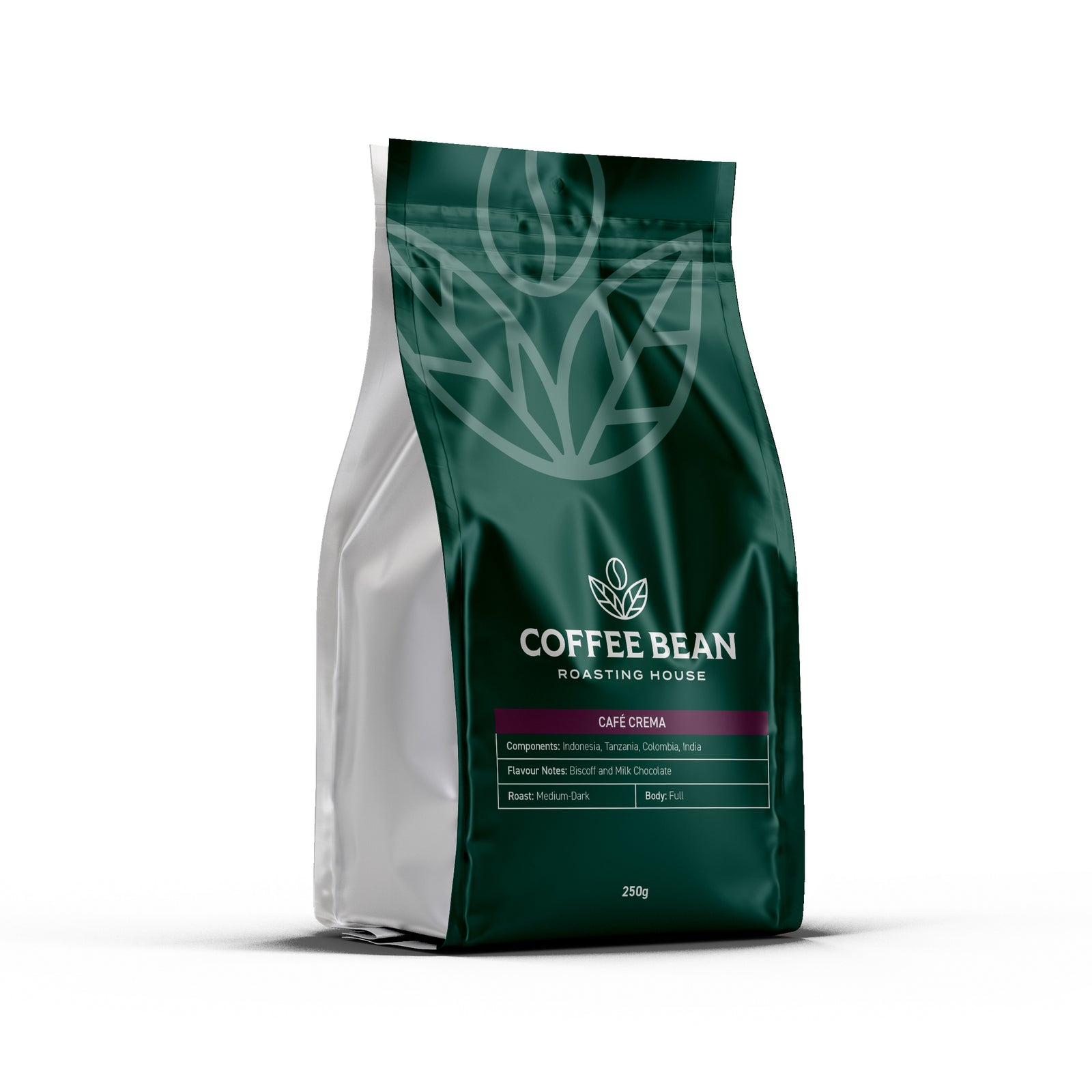
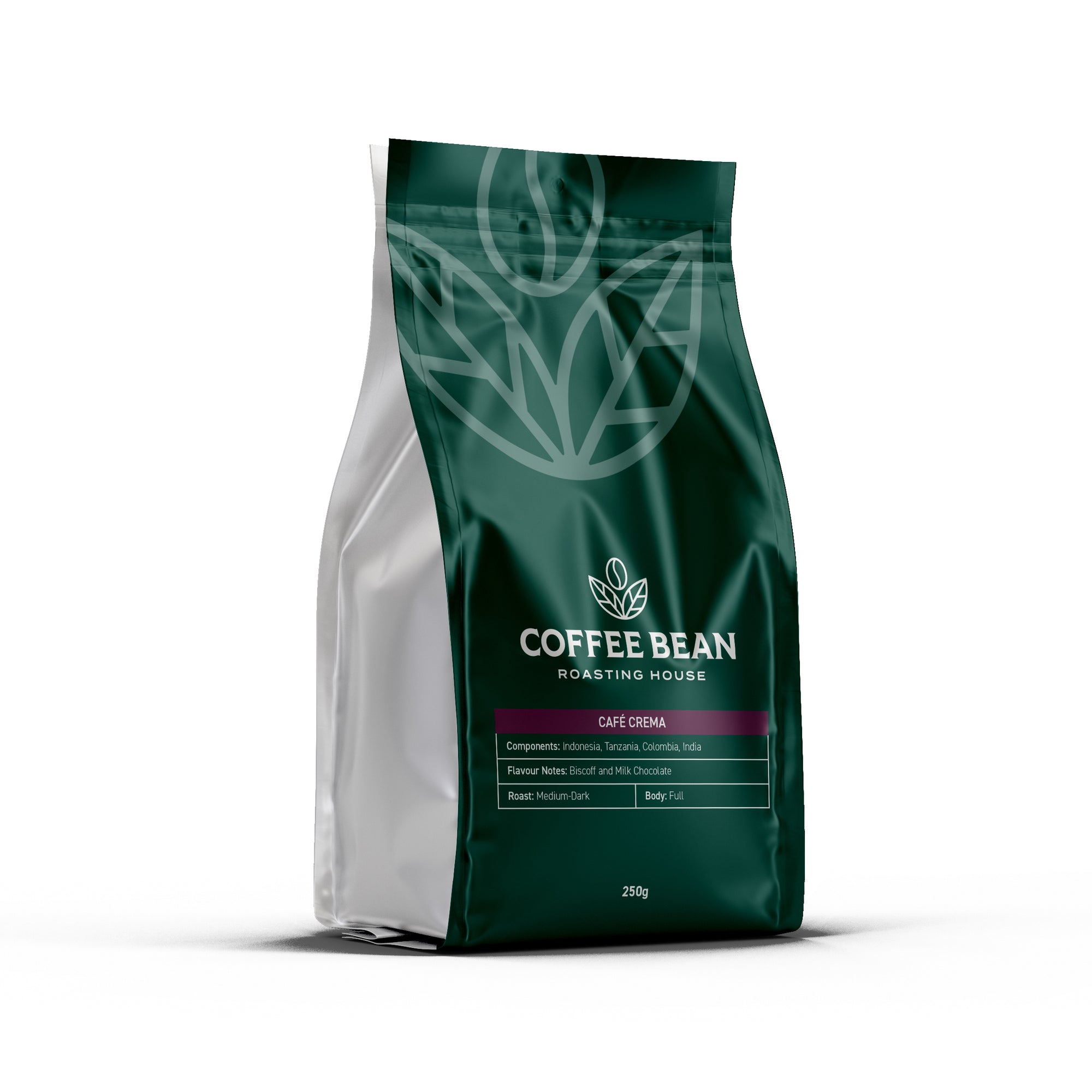
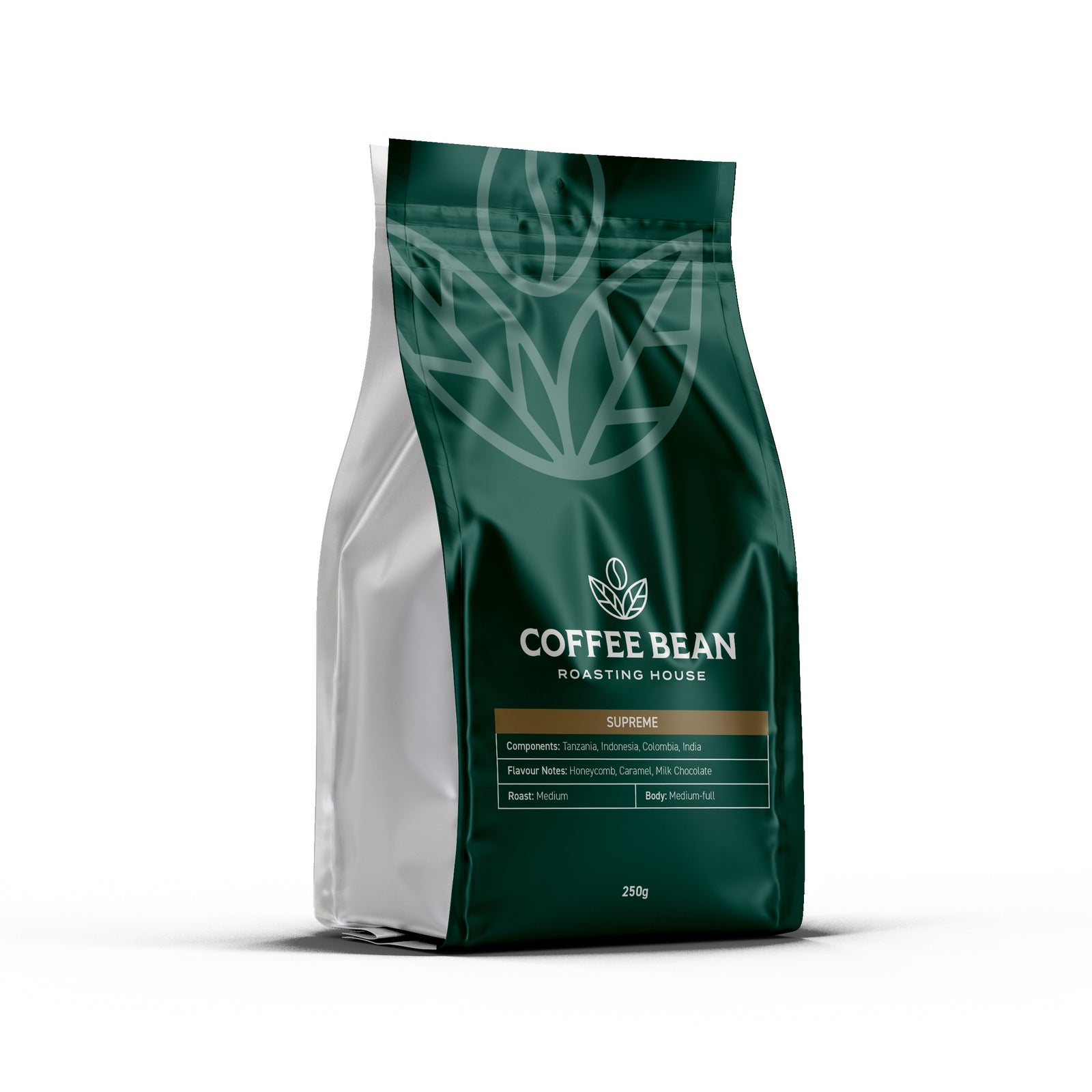
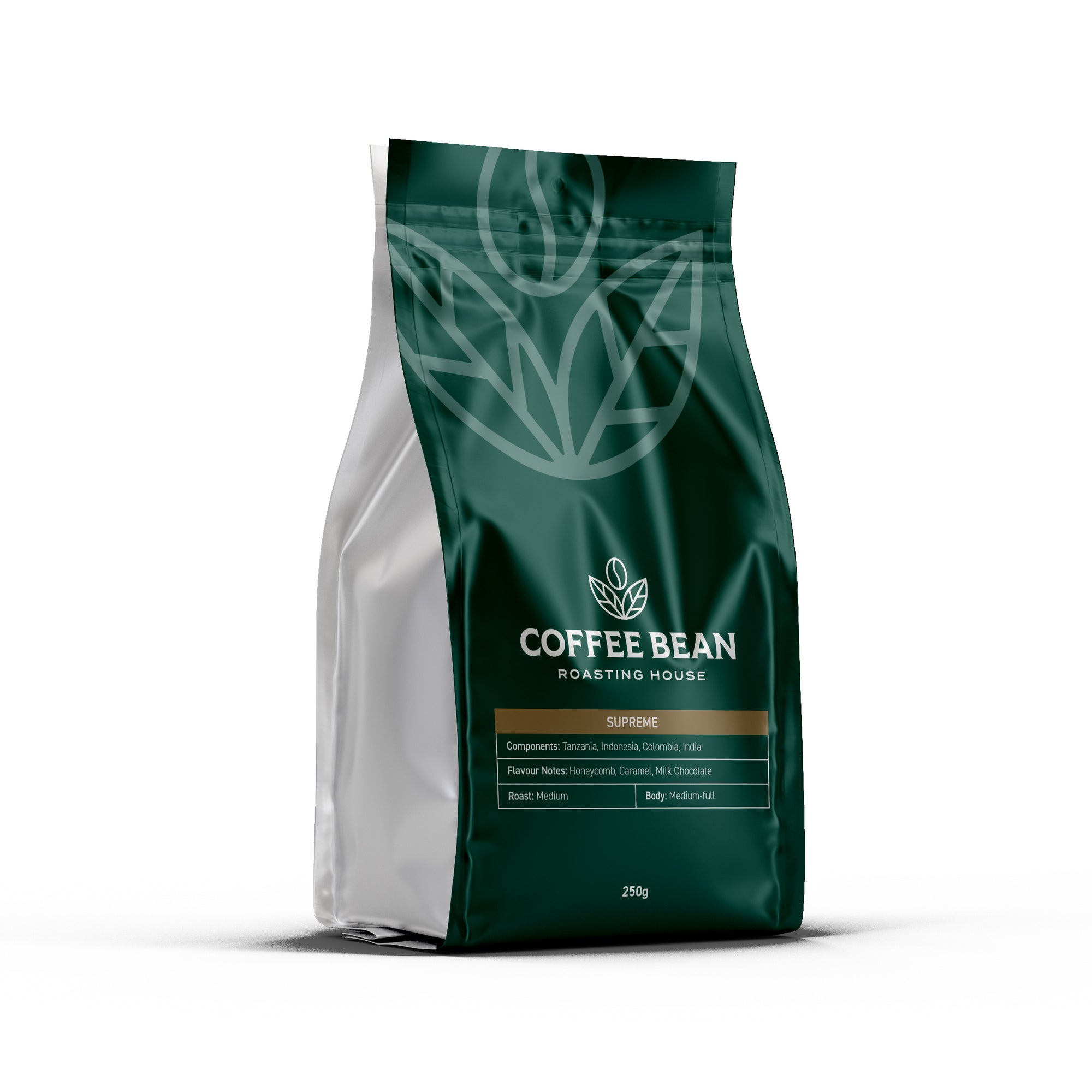



When a business decides to sort out the coffee, the first question is almost always "what machine should we buy?" It's the wrong one to start with. We roast in Dubbo and supply offices, warehouses, venues and worksites across regional NSW, and the same five things decide whether workplace coffee works. Almost none of them are the machine itself.
1. Choose by cups per day, not headcount
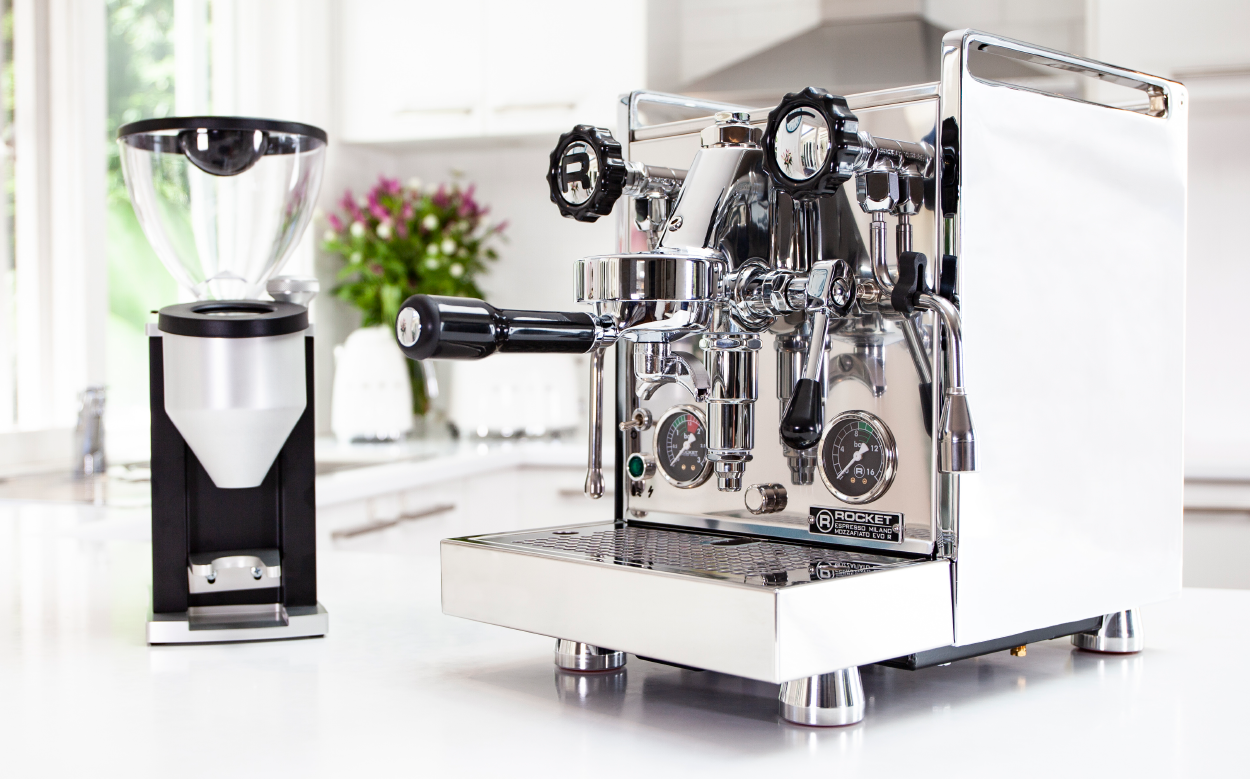
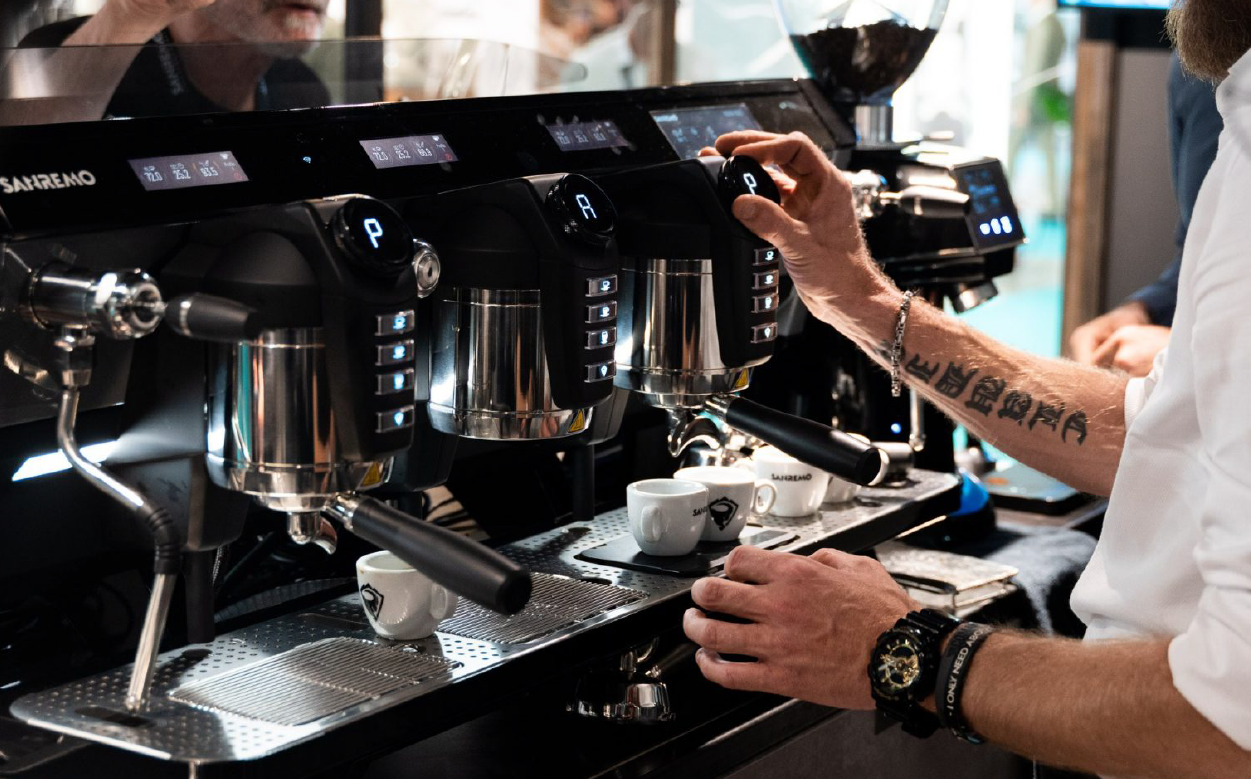
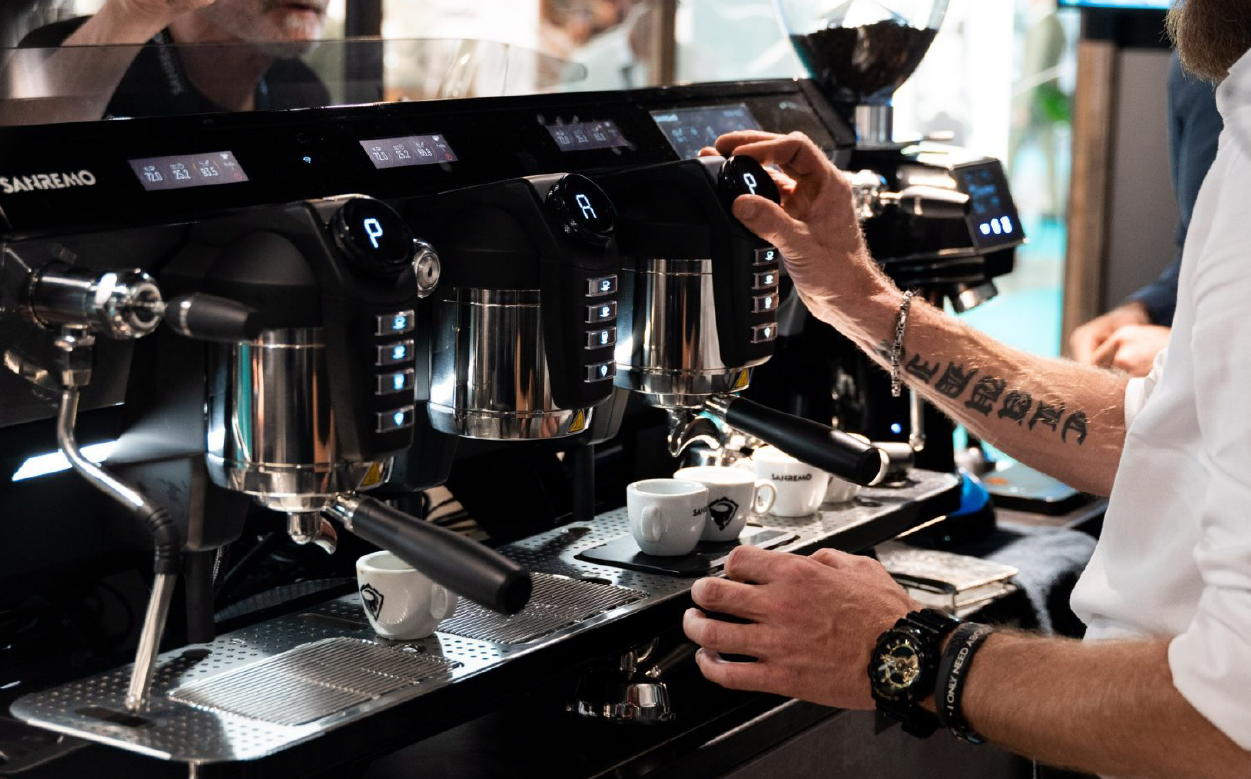
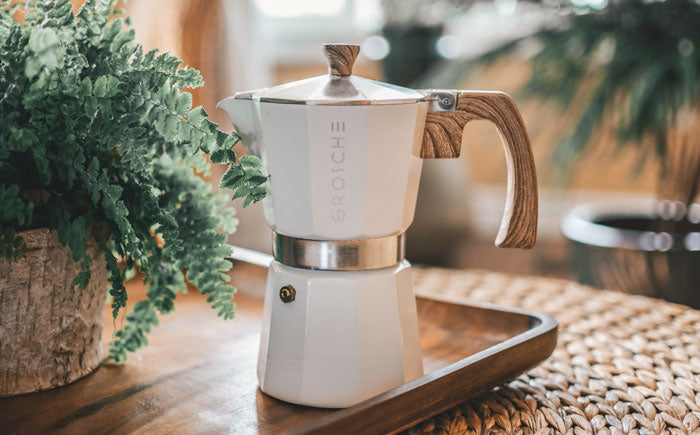
The number that matters isn't how many staff you have, it's how many cups get made in a day and whether they land in a peak. Up to about 15 cups a day, a good domestic or small-office setup is usually enough, unless you want the benefit of a touch button bean to cup automatic coffee machine. Around 15 or more staff, a bean-to-cup machine starts to make sense, because anyone can make a consistent cup without barista skills. At 40-plus, you're in the 'danger zone'. The danger zone is doing enough coffees to flog a domestic machine or a entry-level automatic machine, so therefore no one wants to wait or do the clean-up, but not enough planning to justify the right one, which is when the machine struggles and cops the blame for what's really a setup problem. If that's you, you're past time to get a proper office machine.
2. Fix the beans and the cleaning before you blame the machine
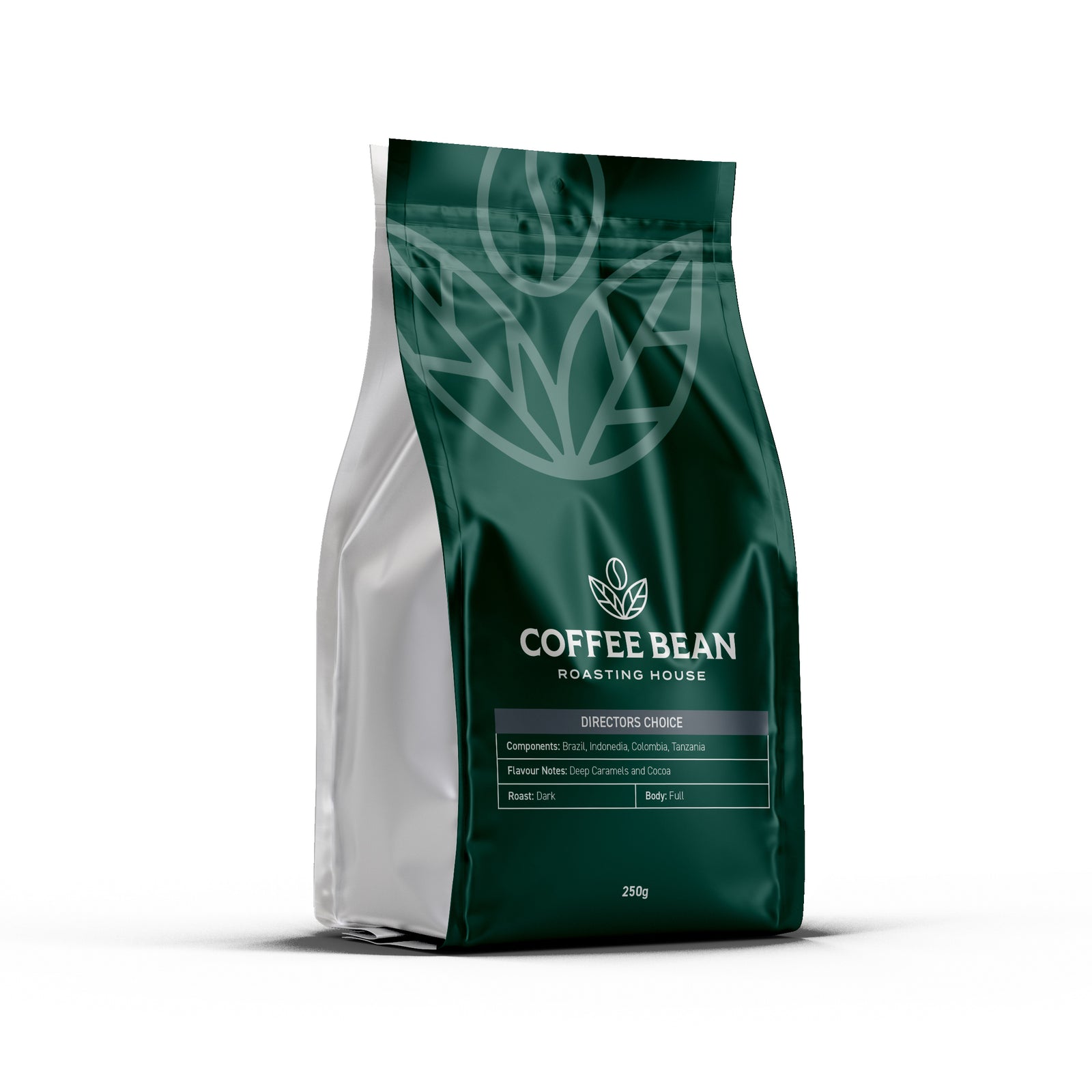
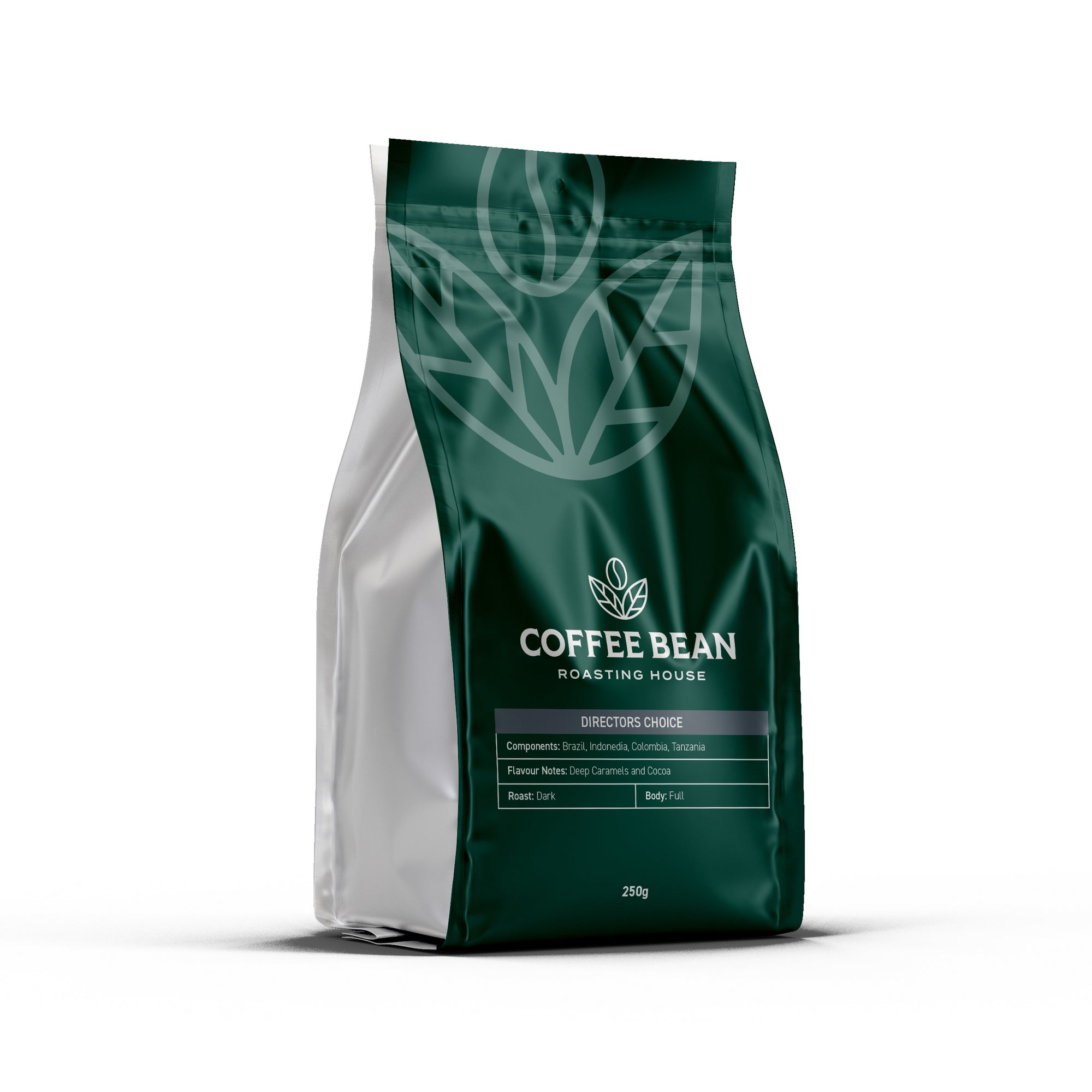
The most frustrating thing we see: a business spends real money on a machine, runs cheap or stale beans through it, never cleans it properly, then wonders why it doesn't taste like a café. A machine can only work with what you feed it. We regularly get called about a "machine problem" that turns out to be beans, grind or cleaning. Fresh beans from a roaster, ground correctly, through a clean machine, beat expensive gear running stale supermarket beans every single time. For planning, a ten-person office might get through 2kg to 5kg of beans a month, depending on how many drink it and whether meetings and visitors are included.
3. Give the coffee an owner
A machine doesn't run itself, and the forgotten bits are what decide whether it works. Make someone responsible for ordering, so you don't run out of beans or milk mid-week, and for a cleaning routine, because a neglected machine makes bad coffee no matter how good it is. Sort the supporting setup too: a sensible spot for the milk, fridge, bin and cups so the whole thing flows instead of becoming a mess by Tuesday, plus a few syrups and some alternative milks so the people who don't drink it the way you do, aren't an afterthought. Plan for the peak, because the problem is rarely the total cups, it's that half of them are wanted in the same fifteen minutes.
4. Keep water within reach too
One honest note, because it matters: coffee is a morale and ritual tool, not a hydration solution. Australian safety guidance is explicit that workers shouldn't rely on coffee instead of water, particularly when working in heat. So keep cold water as easy to reach as the coffee. A water cooler or hydration setup covers the hydration job, and the two together handle both halves of a comfortable workday: the cup people gather around, and the water that keeps them going.
5. Protect a real break
A coffee made and drunk at the desk with one eye on email isn't a break. Research on short workplace breaks suggests brief pauses can reduce fatigue and lift mood without hurting output, and the benefit is strongest when people genuinely step away rather than keep talking shop. The old smoko had something right: a defined moment to stop, together, away from the job. Make the coffee somewhere that isn't a desk, and if managers take theirs too instead of eating lunch over the keyboard, everyone else feels allowed to.
The payoff
Good workplace coffee won't transform your culture or spike productivity, and you should be wary of anyone who says it will. The real payoff is quieter and more believable: staff stop leaving the building for a decent coffee, and someone eventually says it tastes like something they'd happily serve a client. Like most of the daily basics, a good coffee setup is noticed most when it stops being a problem.
Key takeaways
- Choose the machine by cups per day, not headcount: up to ~15 (domestic/small office), ~15 to 40 (bean-to-cup), 40-plus or strong peaks (commercial).
- Most coffee disappointment is a beans, grind (programming) or cleaning problem, not a machine problem. Fix those first.
- Give the coffee an owner for ordering and cleaning, sort the milk/cups/bin setup, and plan for the morning peak.
- A ten-person office might use about 2kg to 5kg of beans a month.
Frequently asked questions
What is the best coffee machine for an office?
For most offices, where nobody is a trained barista, an automatic bean-to-cup machine is usually the best fit because anyone can make a consistent cup with little fuss. Choose by cups per day or max hourly output rather than headcount.
Why does my office coffee taste bad even with a good machine?
Usually it's the inputs, not the machine. Stale or cheap beans, the wrong grind profile, a machine that hasn't been cleaned will all ruin the taste. A common issue is the expectation of stronger coffee from automatic machines and an understanding of what automatic machines consider a 'full shot' of espresso, which is generally much less coffee than a barista would put in your coffee. Our technicians will ensure your machine is callibrated right for you and your team.
How many cups a day will the automatic coffee machine make?
As a rough guide, each of our machines show their daily output. However, daily output assumes a steady flow throughout the day, you need to consider the 'peak morning' capability of your automatic expresso machine. The Dr. Coffee F11 automatic machine is a ideal workhorse for small office teams, up to about 10-15 staff on site each day. The Dr. Coffee Minibar S2+ adds higher capacity along with the ability to produce powder based drinks (like hot chocolate or chai latte). The 150-200 cups a day output suits workplaces of 15-50 staff (or visitors) on site. Moving up into the Dr Coffee F2 Plus suits larger workplaces with up to 300 cups per day and, depending on drink configiration can produce up to 120 drinks in one hour. The F2 Plus suits large sites or those with a large number of visitors such as offices with 50 to 150 staff, large car dealerships, training centres or high volume break rooms. Remember that peaks use matter as much, if not more than the daily totals.
How much coffee does an office go through a month?
A ten-person office might use around 2kg to 5kg of beans a month, depending on how many staff drink coffee, how many cups they have, and whether visitors and meetings are included.
Is it worth getting good coffee for staff?
For most teams, yes, though not for the reasons usually claimed. The value isn't a productivity spike, it's that staff stop leaving the building for a decent cup and the workplace feels considered. Done right, it's a low-fuss daily win.
Can workplace coffee count as keeping staff hydrated?
No. Coffee is a ritual and morale tool, not a hydration solution, and safety guidance advises against relying on it instead of water, especially in heat. Keep cold drinking water as accessible as the coffee.
Coffee that staff actually want? If your office coffee is currently good intentions and a tired machine, the fix is usually simpler and cheaper than people expect. We're a regional NSW roaster, so we'll point you at what your site needs, not the biggest machine on the shelf.
Coffee for the workplace Take the coffee quiz